New research led by scientists at the Texas A&M University College of Engineering has yielded promising results for the future of space colonization: the successful cultivation of Pisum sativum (garden peas) in Martian regolith simulant. The secret to this success, however, is unconventional: the use of "frass"—excrement and waste—from black soldier fly (Hermetia illucens) larvae as fertilizer.

Image 1. Hermetia illucens – Black soldier fly. Insect that decomposes organic matter. Source: Embrapa.
The Martian Soil Challenge
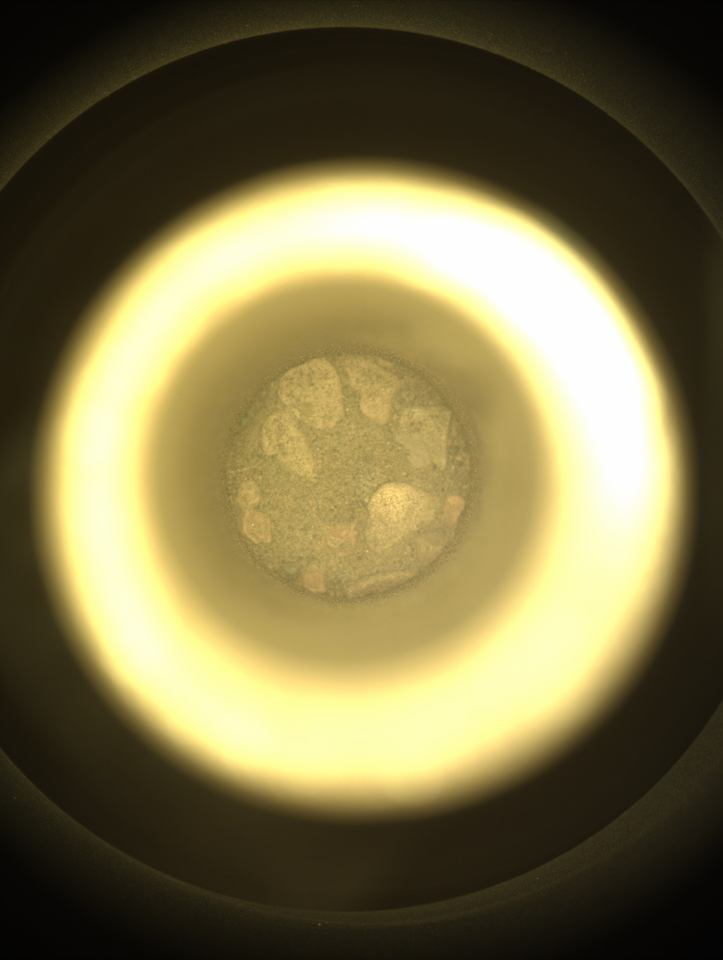
Unlike Earth, the surface of Mars is covered in regolith, a material devoid of organic matter, microorganisms, or essential nutrients such as nitrogen and phosphorus. For long-duration missions, which can last between 15 and 35 months, reliance on supplies from Earth is unfeasible, making in situ food production a critical necessity.
Frass: The Solution Suggested by the Study
The study cites a previous experiment that quantified the increase in nutrients available to plants when Martian regolith simulant was treated with black soldier fly larvae. The recorded increases were:
Potassium: +1179
Phosphorus: +803%
Magnesium: +67%
Manganese: +7847%
Nitrogen: +188% (rising from 19.8 ppm to 57.1 ppm)
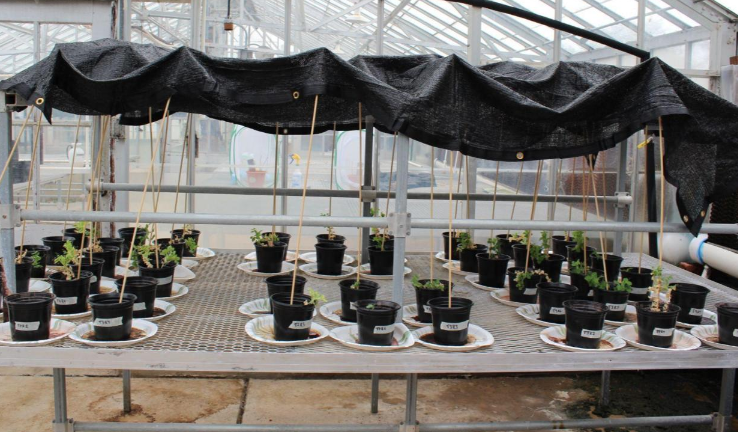
The researchers tested different concentrations of frass (0%, 10%, 25%, and 50%) mixed with Martian regolith simulant (MMS-1).

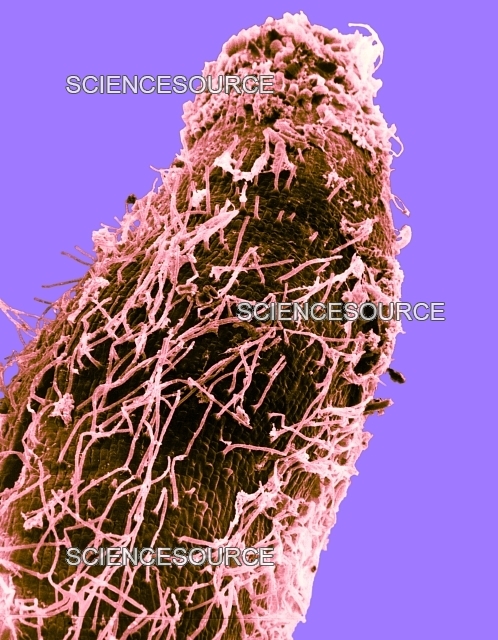
Image 2. Frass: Insect excrement. Source: U.S. Department of Agriculture.
Germination: Intrinsic Viability of the Substrate
The study demonstrated that, although the Martian regolith simulant (MMS-1) lacks organic matter and macronutrients, it did not hinder the initial growth phase of the pea plants.
Absence of Statistical Difference: The Wilcoxon test (p = 0.313) confirmed that there was no significant difference between germination rates in regolith and commercial soil. This indicates that the pea seed's own energy reserves are sufficient for initial establishment, regardless of the medium's nutritional poverty.
Optimization: Using quadratic regression models, the study predicted that the optimal frass level to specifically maximize germination in regolith is 6.9%, suggesting that even a small organic amendment optimizes initial success.
Height vs. Productivity: The Growth Paradox
Although the plants in the regolith exhibited greater heights, the article explains that this did not directly translate into greater overall vigor.
Etiolation or Vigor? On average, pea plants in regolith were numerically taller across all frass levels. However, the study highlights that final dry biomass (weight) was significantly lower in regolith than in commercial soil at the same frass concentrations (p = 0.0064).
This difference suggests a trade-off: plants in the regolith may have invested more energy in vertical growth (possibly seeking light or due to stress) at the expense of biomass accumulation and fruit development.
Chlorophyll Content and Stress
This is one of the most technical points of the article, as it reveals how the plant processes nutrients in a simulated environment.
Breakdown of Negative Correlation: In ordinary soils, the study observed a significant negative correlation (R = -0.48) between height and chlorophyll: taller plants tended to be less green, signaling nutritional stress or nutrient dilution.
Stability in Regolith: Surprisingly, plants grown in regolith maintained constant and higher chlorophyll levels, regardless of height (R = -0.081). This suggests that frass-treated regolith enables nutrient uptake or a stress response that deviates from conventional terrestrial agricultural patterns, maintaining stable photosynthetic capacity even under adverse conditions.
Study Conclusion
Statistical analysis suggests that the optimal range for cultivation is an inclusion rate of 5% to 32% frass. This is higher than what is required for commercial soil because the regolith must first reach a minimum fertility threshold. Above 50%, nitrogen toxicity or excess salts becomes the limiting factor, inhibiting growth in both soil and regolith.
Next Steps in Astrobotany
Although the simulant used does not contain perchlorates (toxic salts present in actual Martian soil), the research proves that, with appropriate treatment, Martian soil can support plant life.
In addition to helping future astronauts, scientists state that this "insect fertilizer" technology could be applied on Earth to restore degraded or nutrient-poor soils, promoting more circular and sustainable agriculture.