PGPR Bacteria: The “Engineers” of the Rhizosphere and Soil Health
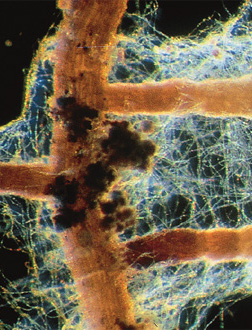
Plant Growth-Promoting Rhizobacteria (PGPR) are no longer viewed merely as partial substitutes for conventional chemical fertilizers. Recent studies increasingly describe them as engineers of the soil–plant system, capable of influencing the physical, chemical, and biological properties of the rhizosphere.
In the soil, these bacteria perform several essential ecological functions:
* Nutrient Solubilization: They produce enzymes such as acid and alkaline phosphatases, which contribute to phosphorus mineralization, as well as ureases and cellulases, which accelerate nitrogen and carbon cycling.
* Hormonal Modulation: They produce auxins, such as indole-3-acetic acid (IAA), stimulating the development of lateral roots and root hairs and thereby increasing the plant’s capacity to absorb water and nutrients.
* Stress Mitigation: The enzyme ACC deaminase reduces the production of stress-associated ethylene, helping maintain root development under adverse conditions such as salinity, drought, and mineral toxicity.
PGPR not only improve plant nutrition but also influence biological interactions around the roots, contributing to a more stable and resilient environment for plant growth.
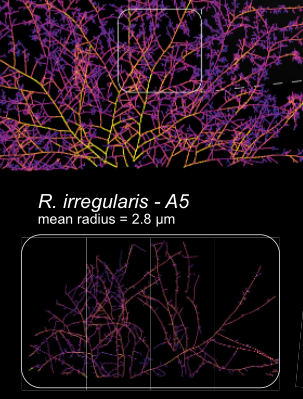
 Figure 1: Multifunctional mechanisms of PGPR in the rhizosphere, including bacterial processes involved in plant nutrition and hormonal modulation. (Source: Adapted from Wang & Xu, 2026, npj Biofilms and Microbiomes.
Synthetic Microbial Consortia (SynComs) and Carriers: The Key to Efficiency
To overcome the limitations of applying individual bacteria in liquid formulations, the article advocates combining isolated strains with porous carriers and encapsulation using porous matrices (such as biochar) to create microenvironments that protect bacteria against factors such as extreme desiccation, UV radiation, and sudden pH fluctuations. This helps ensure cell survival and enables the gradual, sustained release of the inoculum into the rhizosphere. Also, with the application of synthetic communities (SynComs): multispecies microbial communities structured around three ecological principles:
* Functional Redundancy: Housing multiple taxa capable of performing the same metabolic task (if one strain succumbs to environmental stress, another sustains the process);
* Metabolic Cross-Feeding: Mutualistic cooperation where the metabolic by-products of one species serve as nutrient sources for another;
* Spatial Niche Partitioning: A balanced mix of bacteria with complementary colonization habits (the rhizoplane, outer rhizosphere, and internal/endophytic tissues), preventing direct competition among members of the consortium.
 Figure 2: Six distinct bacterial strains isolated and cultivated in separate sectors of a Petri dish. (Source: Adapted from ScienceDirect, DOI: 10.1016/j.biocontrol.2024.105436.)
The "Translational Gap" and Trade-offs: The Danger of Blind Inoculation
In terrestrial agriculture, microbiology often faces the so-called translational gap: the sharp decline in microbial performance when bacteria tested under laboratory conditions are introduced into real soils, where carbon scarcity, desiccation, and predation can limit their survival.
In astrobotany, this challenge becomes even more critical. Poorly planned inoculation may trigger significant biochemical trade-offs. For example, a strain that produces excessive IAA without sufficient ACC deaminase activity may contribute to excessive ethylene accumulation, inhibiting root growth. Similarly, organic acids released to solubilize phosphorus can acidify the rhizosphere, potentially mobilizing phytotoxic metal ions in certain substrates and offsetting the nutritional benefits.
For extraterrestrial agriculture, this highlights the importance of carefully evaluating the genetic and chemical compatibility of microbial consortia to prevent bioinputs from harming the very crops they are intended to support.
The Future of Space Colonization: From Terrestrial Agriculture to Planetary Regolith
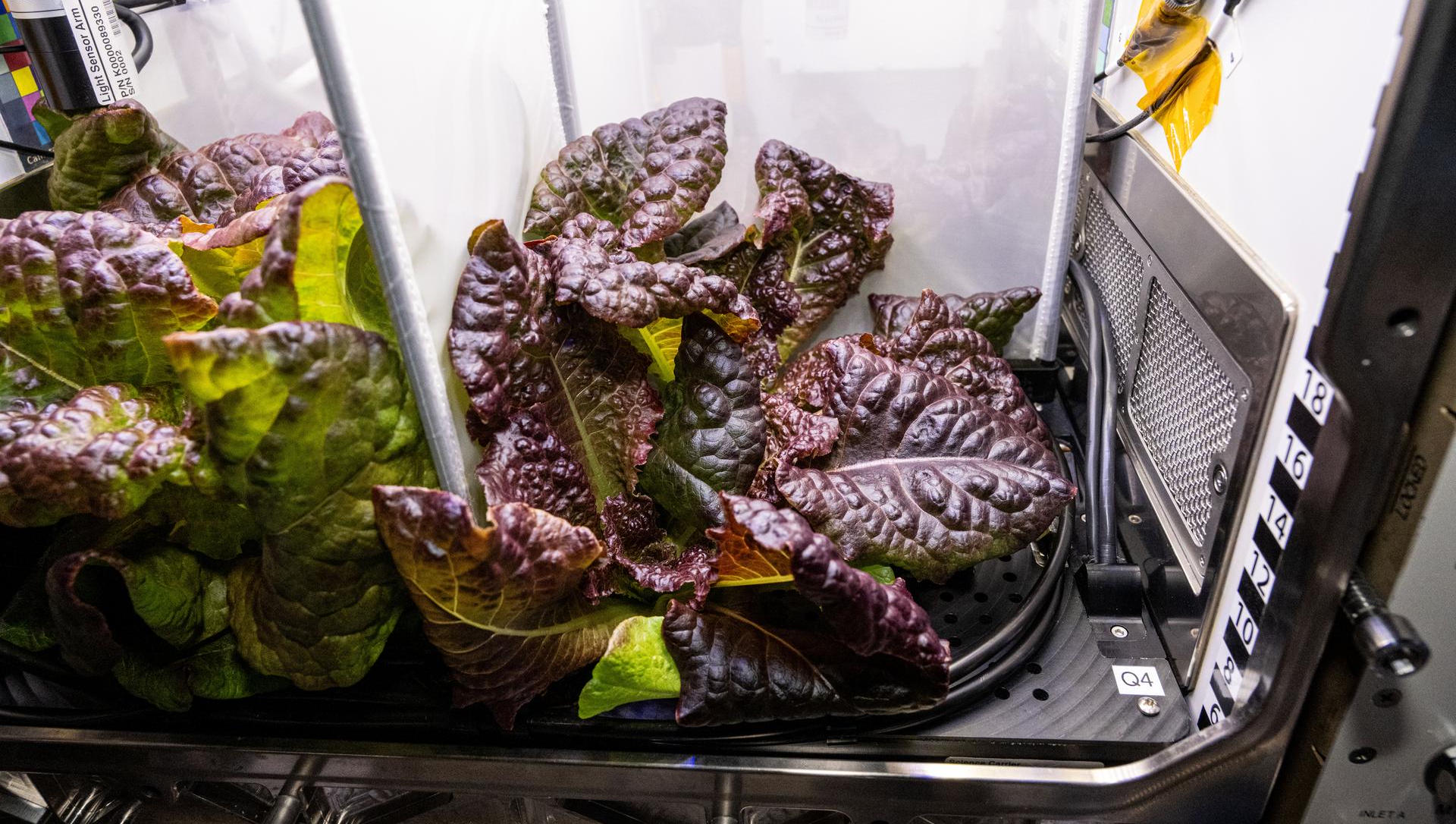
The establishment of permanent human settlements on the Moon and Mars depends heavily on the development of successful Space Crop Production Systems. From a biological perspective, regolith presents major challenges for cultivation, including the absence of organic matter, limited availability of assimilable nitrogen, water scarcity, and potentially unfavorable mineral and chemical conditions.
In this challenging environment, conventional biofertilizers may struggle to survive and remain effective. Research published by the Nature group supports an approach relevant to astrobotany: combining biomining through In-Situ Resource Utilization (ISRU) with protective encapsulation matrices, such as polymers and porous carriers.
By advancing microbial engineering, astrobotany could help improve food security for astronauts on long-duration missions while laying the biological groundwork for transforming the mineral material of other planetary bodies into productive agricultural systems.