As space exploration advances toward long-duration missions, the transition from "food sent from Earth" to "food produced in situ" is becoming a strategic necessity. A recent study led by Rebeca Gonçalves and published in PLOS ONE has provided new insights into optimizing this production through intercropping in Martian regolith simulants.
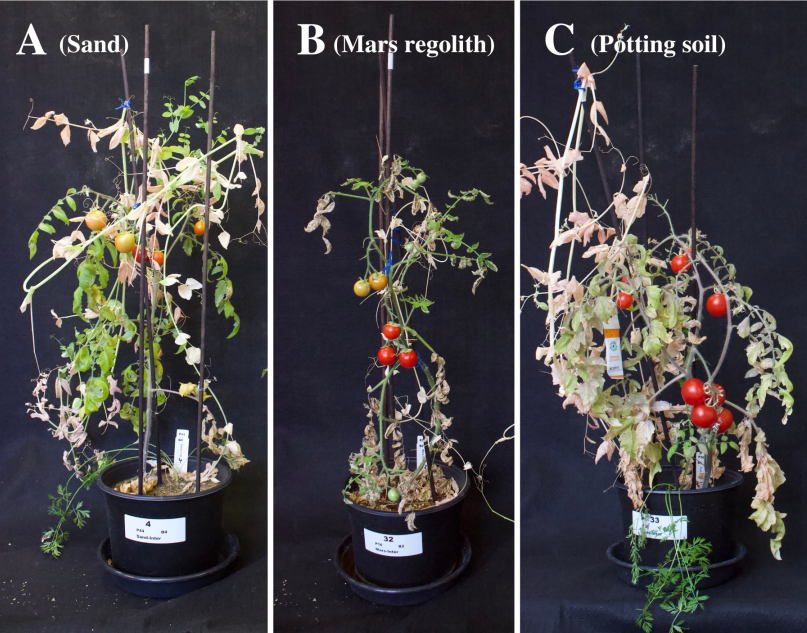
 Figure 1. Comparison between intercropping and monoculture treatments in a Martian regolith simulator. Gonçalves R. et al. (2024)
The Experiment: Tomatoes, Peas, and Carrots in MMS-1
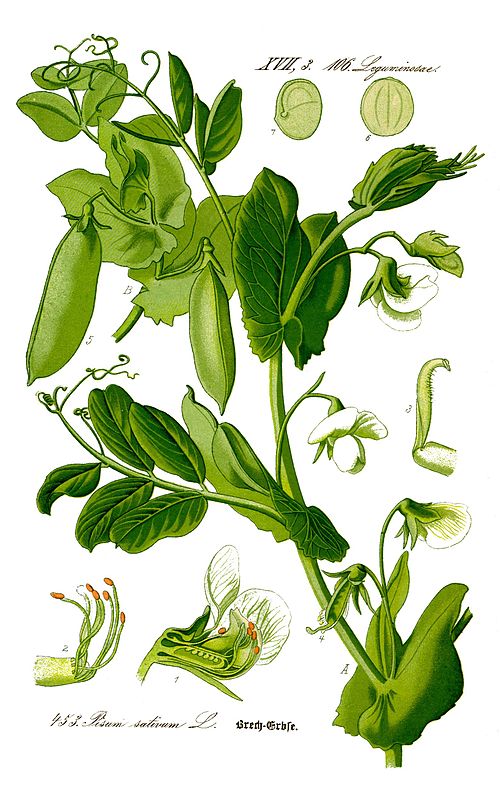
The researchers selected three species with complementary nutritional and horticultural properties: tomato (Solanum lycopersicum), pea (Pisum sativum), and carrot (Daucus carota). The goal was to test whether these plants could "help each other" in the MMS-1 regolith simulant (developed by NASA's JPL).

Image 2. In the experimental model, various combinations were created using three different types of substrate (Martian regolith, sand, and soil) and three plant species (tomato, pea, and carrot). Source: Gonçalves R. et al. (2024).
Results: The Critical Factor of Symbiosis
The data revealed a dichotomy: in the Mars simulant (MMS-1), the intercropping system showed a yield disadvantage, with a Relative Yield Total (RYT) of 0.93. Tomatoes benefited, but the performance of peas and carrots dropped drastically. In contrast, in river sand (the control), the intercropping was a success, with an RYT of 1.32, indicating that the plants produced 32% more when grown together than when grown separately.
 Figure 3. Comparison of productivity between cultivation treatments and soil types. Source: Gonçalves et al. (2024).
Why the difference?
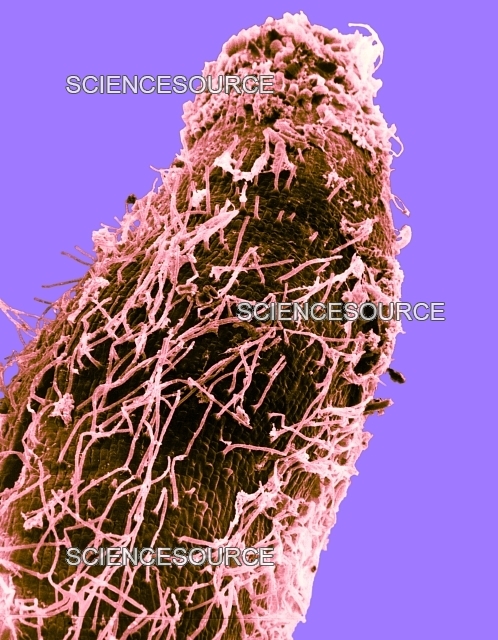
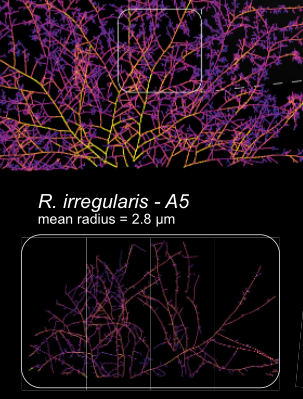
The answer lies in root nodulation. In Martian regolith, nodule formation on the pea plants was virtually nonexistent. Without biological nitrogen fixation, the pea plant shifted from being a "facilitator" to a "competitor" for scarce resources, intensifying pressure on the carrot and being outcompeted by the tomato, which proved to be a dominant species with a "voracious" appetite for nutrients.
Regolith Obstacles: pH and Compaction
 Image 4. Panoramic photo of the surface of Mars. Source: NASA.
The failure of nodulation in MMS-1 was attributed to the following intrinsic factors of the simulated Martian regolith:
1. High pH (~8.5): The alkaline environment hinders the survival of Rhizobium bacteria and the bioavailability of essential nutrients such as iron.
2. Compaction: MMS-1 consists of very fine particles that acquire a clay-like texture when wetted, reducing gas diffusion and water conductivity.
3. Sterility: The lack of a diverse microbial community and organic matter impairs root health and nutrient uptake.
Pathways to Bioregenerative Agriculture
Despite the challenges posed by raw regolith, the success of the sand treatment demonstrates that the consortium is viable if soil conditions are improved. Researchers propose the following improvements for future colonies:
I. Soil improvement: The use of inedible parts of early harvests as compost to lower the pH and improve soil structure.
II. Particle size selection: Use regolith fractions with larger grains to avoid extreme compaction.
This study demonstrates that agriculture on Mars will be a matter not just of botany, but of ecosystem engineering. Understanding the complex interactions between plants and microorganisms under extraterrestrial conditions is the key to transforming the red dust into a productive garden.