Long-duration space exploration is moving away from a model of total reliance on Earth-based supplies in favor of an integrated resource management architecture. A recent study proposes a framework that unifies In-Situ Resource Utilization (ISRU) and Bioregenerative Life Support Systems (BLSS), treating them as subsystems that are functionally distinct yet architecturally coupled. While ISRU focuses on acquiring and converting external materials (such as atmospheric CO₂ and regolith ice), BLSS ensure internal cycle closure by regenerating air, water, and nutrients from habitat waste streams. This synergy is crucial, as ISRU-derived products sustain the biological modules, which, in turn, reduce the demand for continuous external extraction. Image 1. Schematic representation of the coupled functions of in situ resource utilization (ISRU) and a bioregenerative life support system (BLSS) within the framework of a long-duration exploration architecture.
The Food Ecosystem: Beyond Caloric Survival
Within this architecture, food production systems evolve from mere cargo storage units into critical interface components. Although food production is not strictly an ISRU function, biological systems rely directly on ISRU flows to obtain gases, water, and mineral nutrients. The challenge lies in mitigating the nutritional degradation of pre-packaged diets through the regeneration of edible biomass in closed-loop cycles.
Photobioreactors: Microalgae and Cyanobacteria
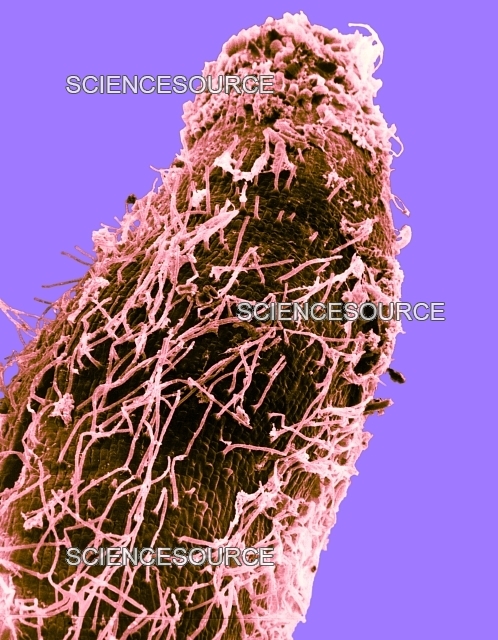
Phototrophic microbial platforms offer a compact, fast-growing route for biomass production. Studies involving Limnospira indica PCC8005 have demonstrated biomass productivities of up to 0.58 g L⁻¹ d⁻¹, with an oxygen production rate of 1.19 mmol L⁻¹ h⁻¹. It is estimated that Chlorella-based systems could replace up to 35% of an astronaut's daily food mass, making them economically advantageous for missions lasting between 4 and 7 years.
 Image 2. Examples of closed or semi-closed photobioreactors for microalgae cultivation. Source: Masojídek, Jiří & Torzillo, Giuseppe (2008)
New innovations: Use of local inputs
I. Regolith as Fertilizer: Strains such as Anabaena sp. PCC 7938 and Chroococcidiopsis have demonstrated the ability to grow using lunar and Martian regolith leachates as a source of minerals.
II. Nitrogen Recycling: The use of synthetic human urine as a nitrogen source for cyanobacteria has been validated, allowing the resulting biomass to serve as a substrate for other heterotrophic components of the BLSS.
Higher Plant Cultivation Systems
While microorganisms ensure nutritional density and volumetric efficiency, higher plants provide dietary variety, fiber, and essential psychological benefits against sensory monotony.
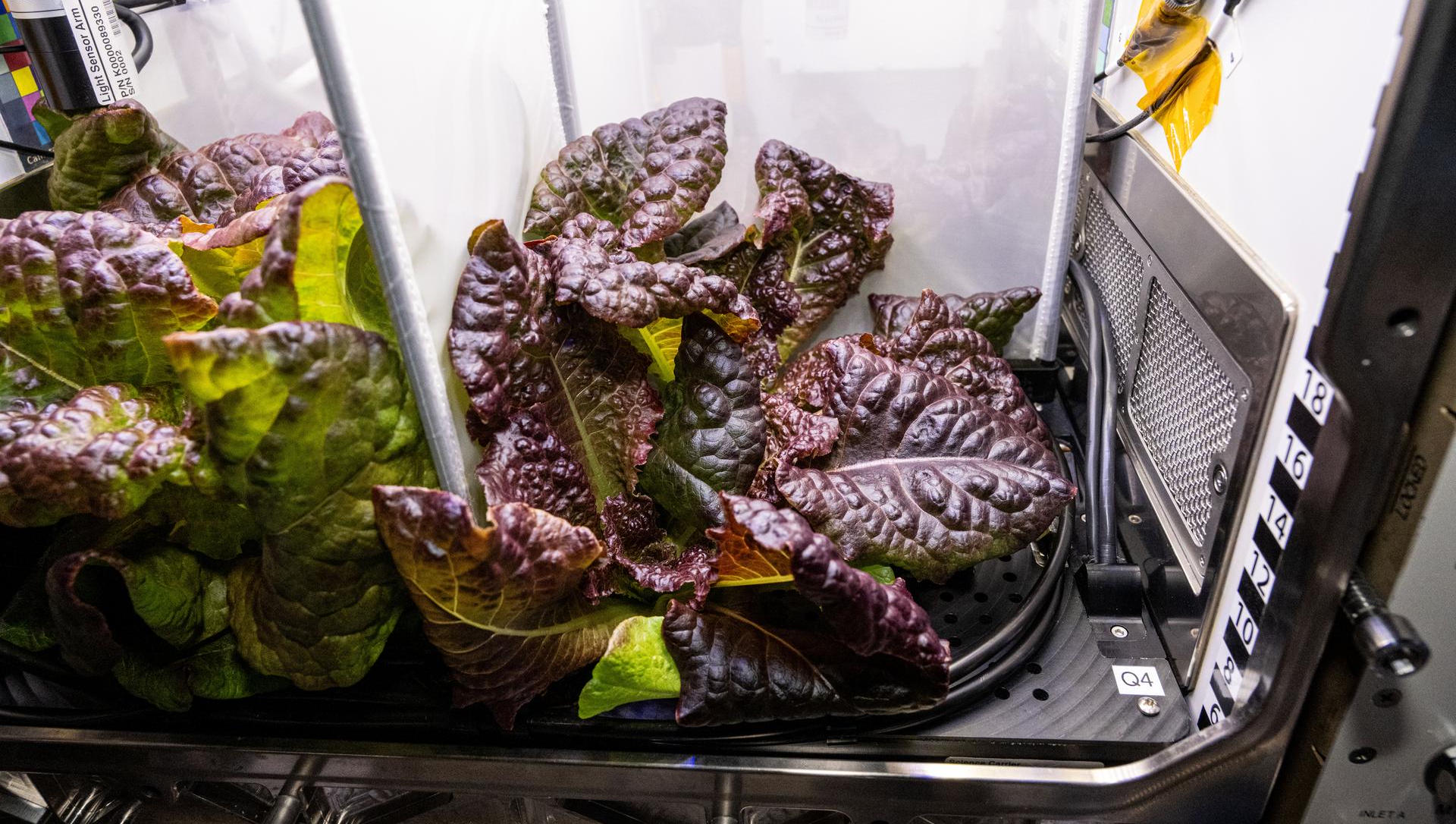
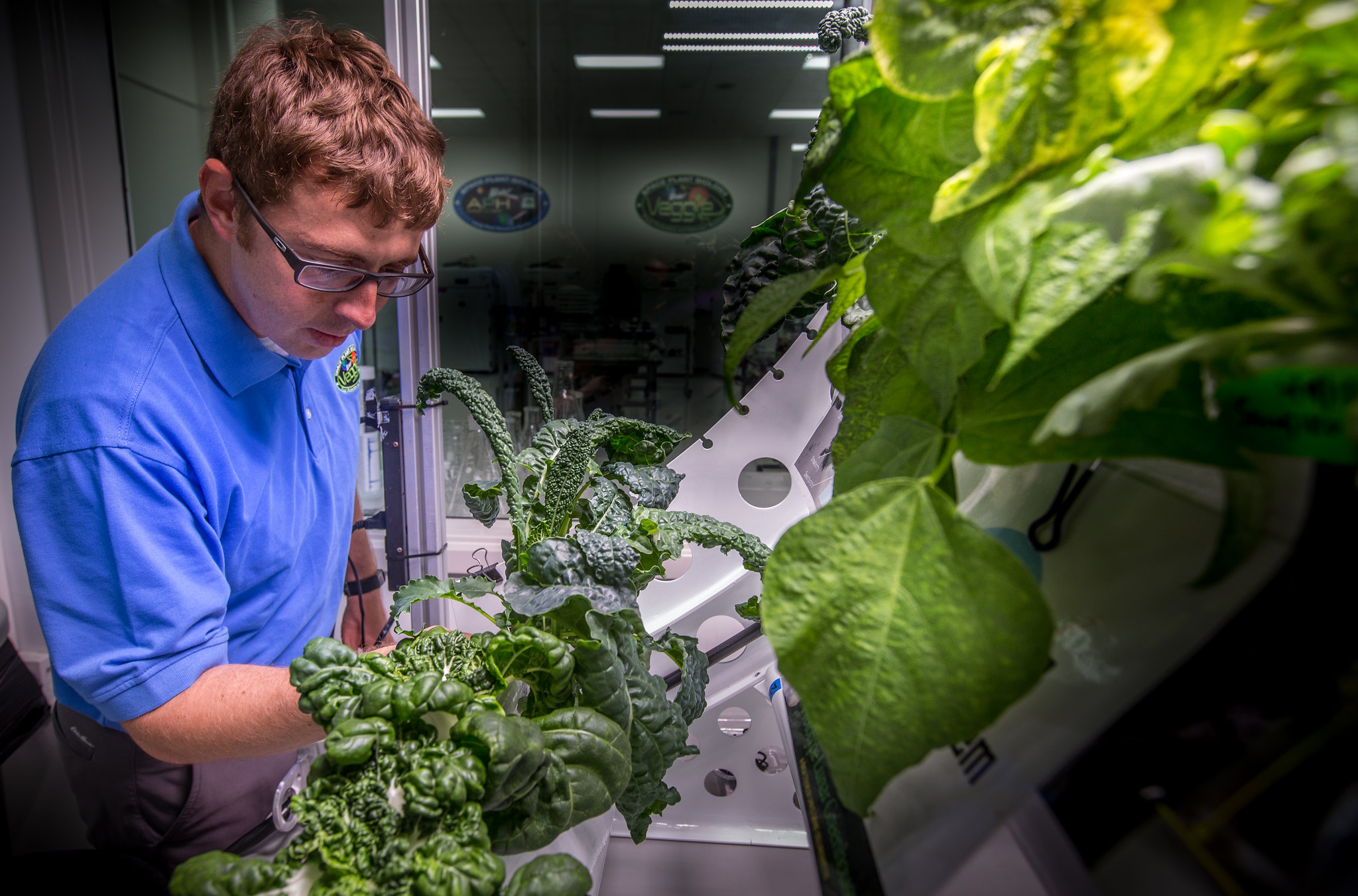
VEGGIE: Developed by NASA, this modular system utilizes LED light and an open architecture that allows plants to interact directly with the cabin environment. Its effectiveness lies in its simplicity and the support it provides for crew well-being.
 Image 3. Astronaut Serena Auñón-Chancellor harvests Red Russian kale and Dragoon lettuce from the Veggie system on November 28, 2018. Source: NASA.
Advanced Plant Habitat (APH): Represents the state of the art in automation, enabling remote control of complex variables such as spectral quality, light intensity, and CO₂ and ethylene concentrations. The APH has already demonstrated the capability to complete entire life cycles (seed-to-seed) for wheat (*Triticum aestivum*) in microgravity.
 Image 4. John “JC” Carver, a payload integration engineer with the Kennedy Space Center Test and Operations Support Contract, opens the growth chamber door of the Advanced Plant Habitat (APH) Flight Unit No. 1 for a test harvest of half of the Arabidopsis thaliana plants growing inside. Source: NASA
 Image 5. Astronaut beside the LADA greenhouse, installed in the ISS Zvezda module since 2002. Source: Banhatti, Dilip G & Banhatti, Radha. (2013)
Integration and Scaling Challenges
The transition from isolated experiments to an integrated surface architecture still faces technological bottlenecks. Full integration requires that the thermal extraction of water from regolith be followed by rigorous purification, as volatile contaminants and metals could inhibit bacterial or plant growth. Projects such as MELiSSA aim to mimic terrestrial biogeochemical cycles through interconnected compartments, where organic waste is liquefied and nitrified to feed cultivation chambers for higher plants and algae.
The study concludes that space sustainability will not stem from a single technology, but rather from defined microbial consortia and hybrid systems that coordinate energy and mass flows between abiotic machines and biological organisms.