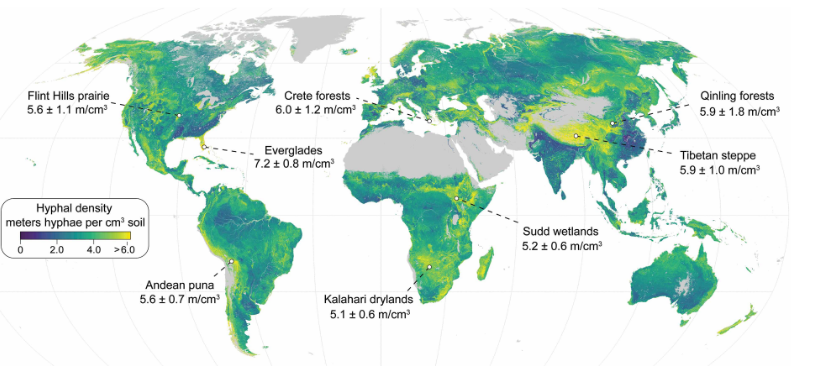
A new study published in Science, titled "Global density and biomass of arbuscular mycorrhizal fungal networks," quantifies the invisible infrastructure that sustains terrestrial life.
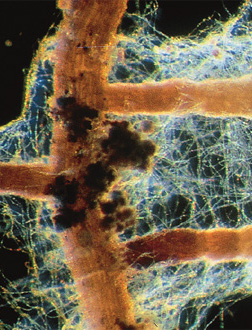
Arbuscular mycorrhizal fungi (AMF) form symbioses with approximately 70% of plant species, exchanging mineral nutrients for carbon fixed by the host. The study estimates that Earth's surface soils contain a staggering 110 quadrillion kilometers (1.10 × 10¹⁷ km) of living hyphae. In astronomical units, this figure amounts to 11,000 light-years.
In terms of mass, this is equivalent to approximately 300 megatonnes of carbon, representing 4 to 6 times the total biomass of humans on the planet.

Spatial Distribution and Key Ecosystems
Using machine learning models and data from over 16,000 soil samples, researchers mapped the density of these hyphae globally.Hotspots: Grasslands, such as the Tibetan steppes and the Sudd wetland in Sudan, harbor the highest densities, accounting for approximately 40% of the global biomass of arbuscular mycorrhizal fungi.
Agricultural Impact: Cultivated soils show a 47.3% reduction in hyphal density compared to natural ecosystems, likely due to the use of fertilizers and fungicides that discourage the allocation of carbon from plants to fungi.
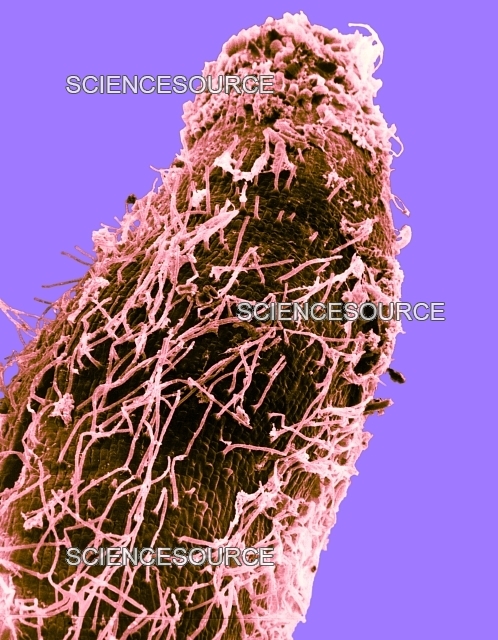
Estimation, Architecture, and Morphology of Hyphae
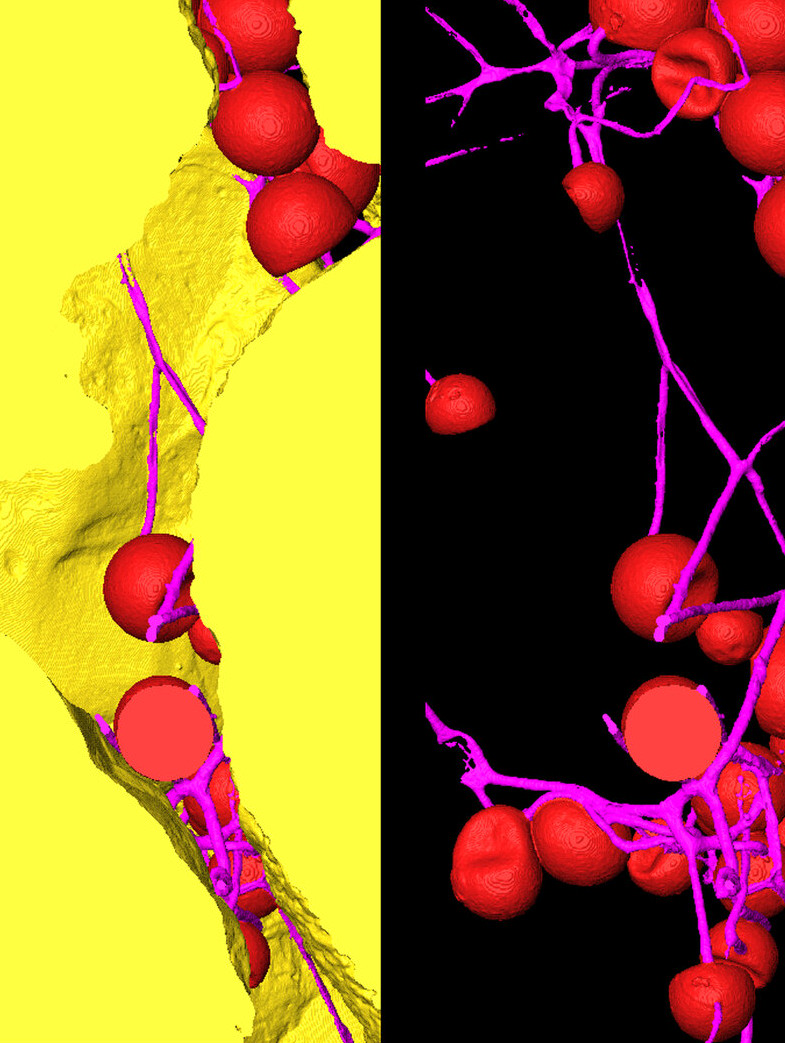
The precision of the biomass estimates was achieved using a custom-built, high-throughput robotic time-lapse imaging system. Unlike historical measurements that relied on incomplete mycelial fragments, this laboratory equipment was designed to track fungal growth within living, intact mycelial networks that remain connected to plant roots.
Operating in transparent growth media that allow for high-resolution visualization, the system performed over 300,000 individual measurements of hyphal width (radius). This level of detail is crucial because the radius is a critical parameter in volume calculations (v=πr²l); even slight variations in hyphal thickness result in significant changes to the estimated total biomass, making it possible to convert the mapped kilometer-scale extents into actual carbon weight.
The average hyphal radius is approximately 2.7 µm, allowing these fungi to explore soil pores inaccessible to plant roots, expanding the absorption area by up to 100 times.
Environmental Determinants
The analysis identified that herbaceous vegetation cover and soil nitrogen and phosphorus levels are the primary predictors of fungal density, exhibiting "hump-shaped" relationships (maximum density at moderate nutrient levels).

Integration with Astrobiology and Astrobotany
This study offers crucial insights into how life can colonize hostile environments:
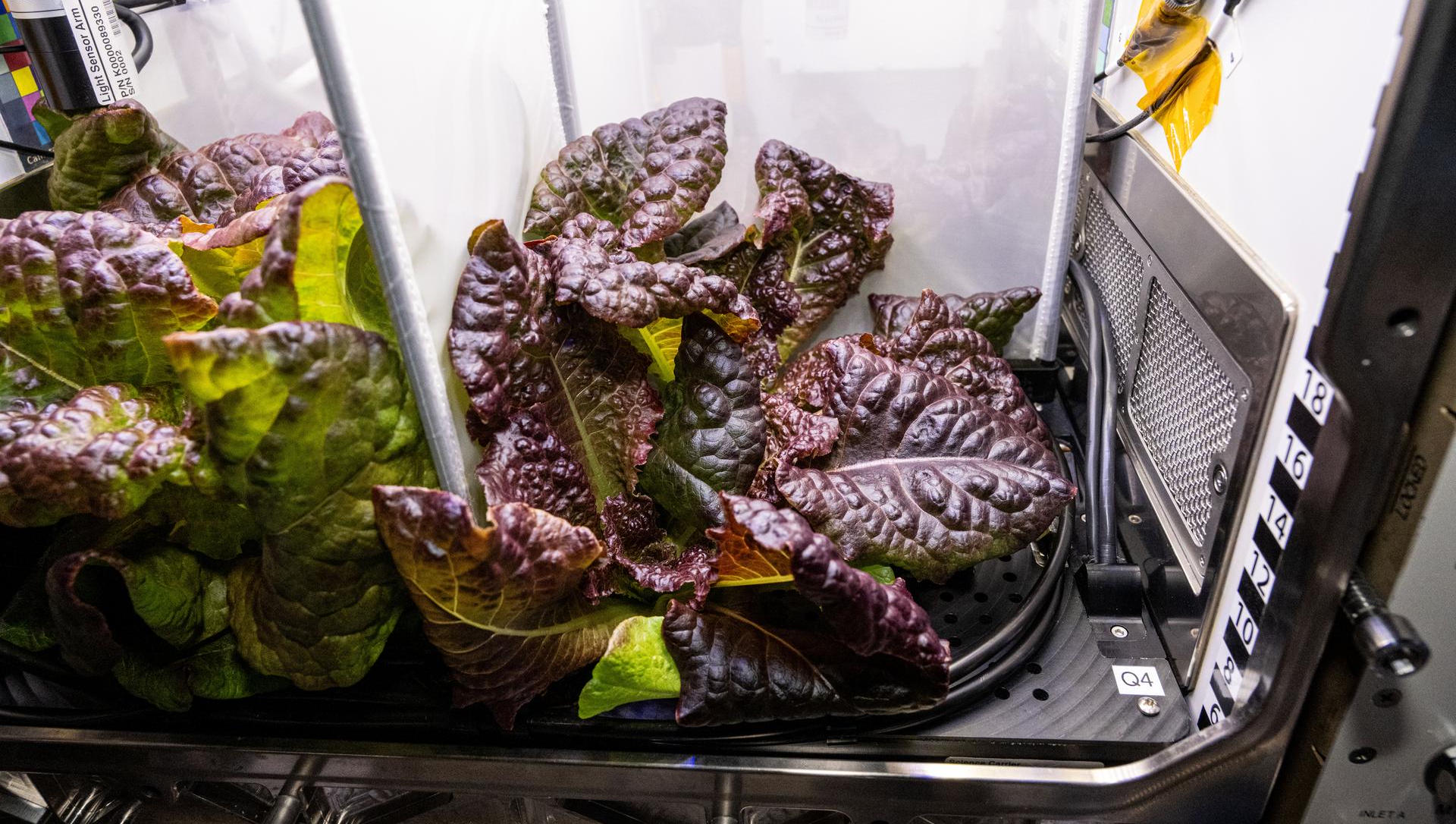
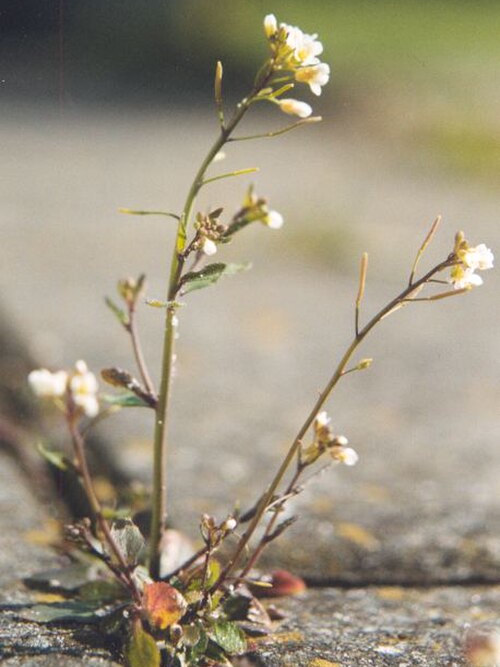
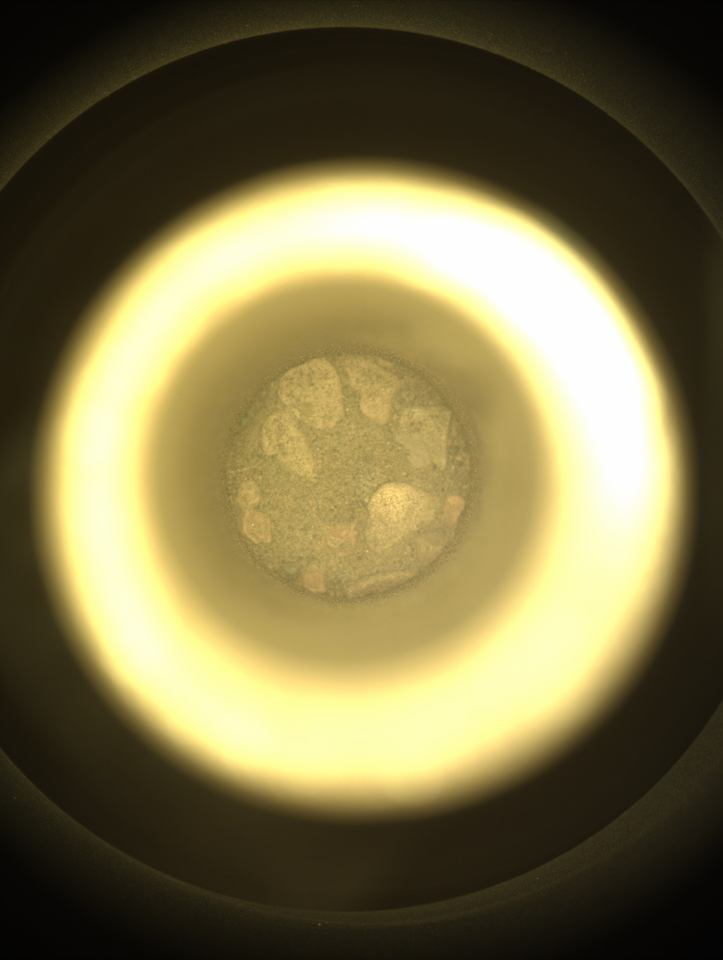
Pioneers of Terrestrial Colonization: Arbuscular mycorrhizal fungi facilitated the colonization of land by plants over 450 million years ago, shaping global biogeochemical cycles. This historical precedent serves as a model for astrobotany, suggesting that the success of crops in extraterrestrial soils (such as Martian or lunar regolith) may critically depend on the introduction of fungal networks to mediate access to mineral nutrients.
Carbon Sequestration and Bioregeneration: The role of AM fungi in carbon sequestration (moving ~1 billion tons of C into the soil annually) and in the stabilization of mineral-associated organic matter is fundamental to the design of long-term bioregenerative life-support systems. Understanding the minimum density required to maintain a productive ecosystem is vital for future space bases.
Efficient Flow Architecture: Hyphae function as continuous "open tubes," enabling the bidirectional flow of resources between hosts. This transport efficiency could inspire biological microfluidic technologies for resource management in reduced-gravity environments.
This study not only redefines our understanding of the terrestrial biosphere but also provides the blueprint for one of the most successful biological technologies in the known universe: mycorrhizal symbiosis.